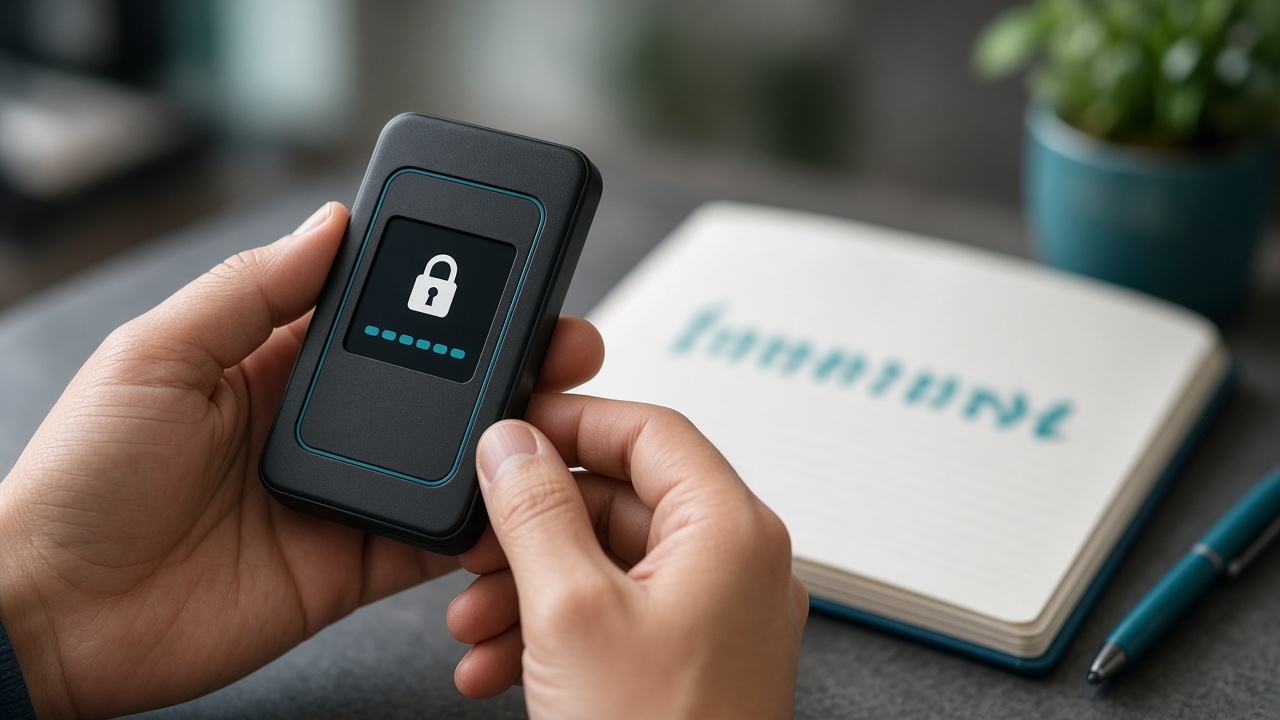
A crypto wallet is a tool that stores the cryptographic keys used to access and move digital assets on a blockchain. It does not literally hold coins inside a physical container. Instead, it manages the credentials that prove ownership and authorise transactions. Understanding this distinction is a useful starting point for anyone learning about wallet security.
This page is general educational information only. It is not financial advice, investment advice, or a recommendation of any wallet, exchange, or platform.
What a Wallet Actually Stores
At its core, a wallet stores a private key or the information needed to derive one. The private key is used to create digital signatures that authorise outgoing transactions. Without the correct key, the wallet cannot move assets associated with that address.
Many wallets also display a public address. This address is derived from the private key and can be shared with others so they know where to send assets. The public address is safe to share; the private key must never be shared.
How Transactions Are Authorised
When you send cryptoassets, the wallet software creates a transaction and signs it with your private key. The signed transaction is broadcast to the blockchain network, where it is validated according to that network's rules. Once confirmed, the ledger reflects the new balance.
This process happens without a central authority holding your assets. The wallet's role is to manage keys and construct valid transactions. If someone else obtains your private key, they can authorise transactions as if they were you.
Hot Wallets and Cold Storage
Wallets are often described as hot or cold depending on whether they are connected to the internet. A hot wallet runs on a phone, computer, or browser extension and is convenient for regular use. A cold storage approach keeps keys offline, which can reduce exposure to online attacks but may be less convenient for frequent transactions.
Neither category is inherently superior. Each involves different trade-offs around convenience, access, and security responsibility. The educational goal is to understand how each type works rather than to rank products.
Software Wallets and Hardware Devices
Software wallets run as applications on a device. They generate and store keys locally, often protected by a password or biometric lock. Hardware wallets are physical devices that store keys separately from an internet-connected computer. Transaction signing may occur on the device itself.
Both approaches require the user to protect recovery information. Losing access credentials can mean losing the ability to control associated assets. This is why backup practices are a central part of wallet education.
Addresses, Networks, and Compatibility
Different blockchains use different address formats and network rules. Sending an asset to an address on the wrong network can result in permanent loss. Wallets typically display which network a transaction will use, but users should verify recipient details carefully before confirming.
Some wallets support multiple blockchains within one interface. Others focus on a single network. Understanding which networks your wallet supports helps prevent mistakes when moving assets between accounts or addresses.
What Wallets Do Not Do
A wallet does not guarantee the value, legitimacy, or safety of a token displayed in its interface. Scammers can create tokens with names that resemble well-known assets. A wallet listing a token does not verify that the token is authentic or associated with a legitimate project.
Wallets also cannot reverse confirmed blockchain transactions. If assets are sent to the wrong address or stolen through a phishing attack, recovery is generally not possible through the wallet software itself.
Building a Practical Understanding
Learning how crypto wallets work does not require deep technical expertise. The essential concepts are straightforward: wallets manage keys, keys authorise transactions, public addresses receive assets, and private keys must remain secret.
From a security perspective, the most important habits include protecting recovery phrases, verifying transaction details before confirming, and being cautious about messages that ask for wallet credentials. These principles apply regardless of which wallet type you use.
The purpose of wallet education is to make these concepts accessible, reduce confusion, and help readers understand the responsibilities that come with controlling their own digital assets.