Cryptocurrency can be accessed through custodial accounts managed by a service provider or through self-custody where the individual controls wallet credentials directly. These two approaches differ in who holds the keys, how transactions are authorised, and what security responsibilities fall on the user. Understanding both models is important foundational wallet knowledge.
This page is general educational information only. It is not financial advice, investment advice, or a recommendation of any exchange, wallet, or platform.
What Is a Custodial Account?
A custodial account is one where a service provider holds or manages the cryptographic keys on behalf of the user. The user typically accesses assets through a login interface with a username, password, and additional security measures. The service maintains records of balances and processes transactions internally or on the blockchain as needed.
From the user's perspective, a custodial account can feel similar to a traditional online account. Balances are displayed in a dashboard, and transfers may be initiated through familiar forms. The service is responsible for key management infrastructure behind the scenes.
What Is Self-Custody?
Self-custody means the individual controls the wallet credentials required to authorise transactions. This typically involves a seed phrase or private key that the user generates and secures independently. Transactions are signed locally by the wallet software or hardware device.
With self-custody, no third party can restore access if credentials are lost. The user bears full responsibility for backup, security, and transaction verification. This model provides direct control but also direct accountability.
Key Differences in Access and Control
The most fundamental difference is who can authorise transactions. In a custodial model, the service controls the keys and processes requests according to its policies. In self-custody, only the holder of the credentials can sign transactions.
This distinction affects recovery options, security exposure, and user responsibility. Custodial users depend on the service's security practices and account recovery procedures. Self-custody users depend on their own backup and security habits.
Security Considerations
Custodial accounts can be targeted through credential theft, such as phishing attacks against login details. Self-custody wallets can be targeted through seed phrase theft or malicious transaction approval. Neither model is immune to social engineering.
Self-custody removes dependence on a third party's solvency or security, but it also removes the safety net of account recovery through customer support. Custodial services may offer password reset and support channels, but users must trust the provider's internal controls.
Transaction Records and Transparency
Custodial accounts typically provide transaction histories within the service interface. These records can include dates, amounts, fees, and transfer details. Self-custody transactions are recorded on the blockchain and can be viewed through block explorers using wallet addresses.
Users who employ both models may need to maintain records from multiple sources. Understanding what each approach records and where that information is stored helps users stay organised.
Moving Between Custodial and Self-Custody
Many people use both approaches at different times. Assets may be held in a custodial account and later withdrawn to a personal wallet, or vice versa. Each transfer should be verified carefully, including the destination address and network.
Moving assets from a custodial account to a self-custody wallet is a withdrawal, not a change in ownership structure by itself. Users should confirm that the receiving address is correct and belongs to a wallet they control.
Neither Model Replaces Personal Vigilance
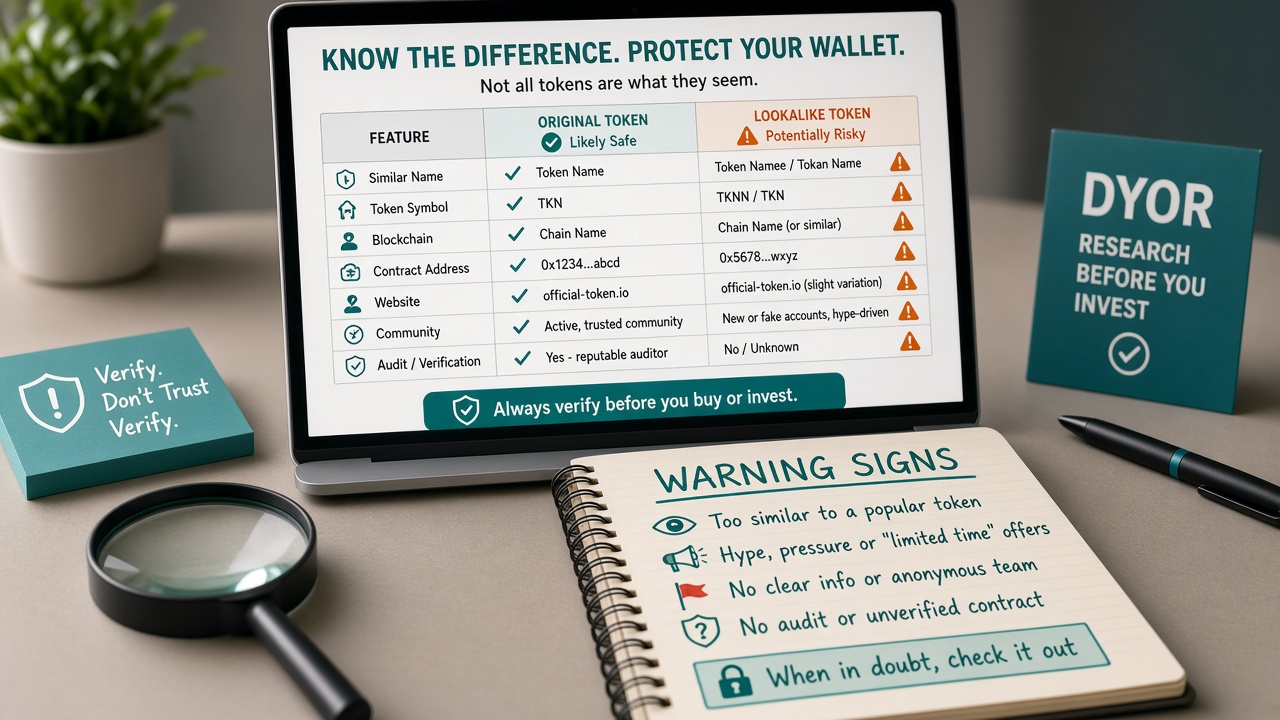
Choosing custodial or self-custody does not eliminate the need for security awareness. Phishing, fake tokens, and social engineering affect users regardless of how they store assets. Education about both models helps users understand their responsibilities under each approach.
An Educational Comparison
The purpose of comparing custodial accounts with self-custody is to clarify how each model works, not to declare one superior. Each involves different trade-offs in control, convenience, recovery, and personal responsibility.
Readers who understand both approaches can make informed decisions aligned with their own security preferences and technical comfort level, without relying on promotional claims from any particular provider.